
 Save to Pinterest
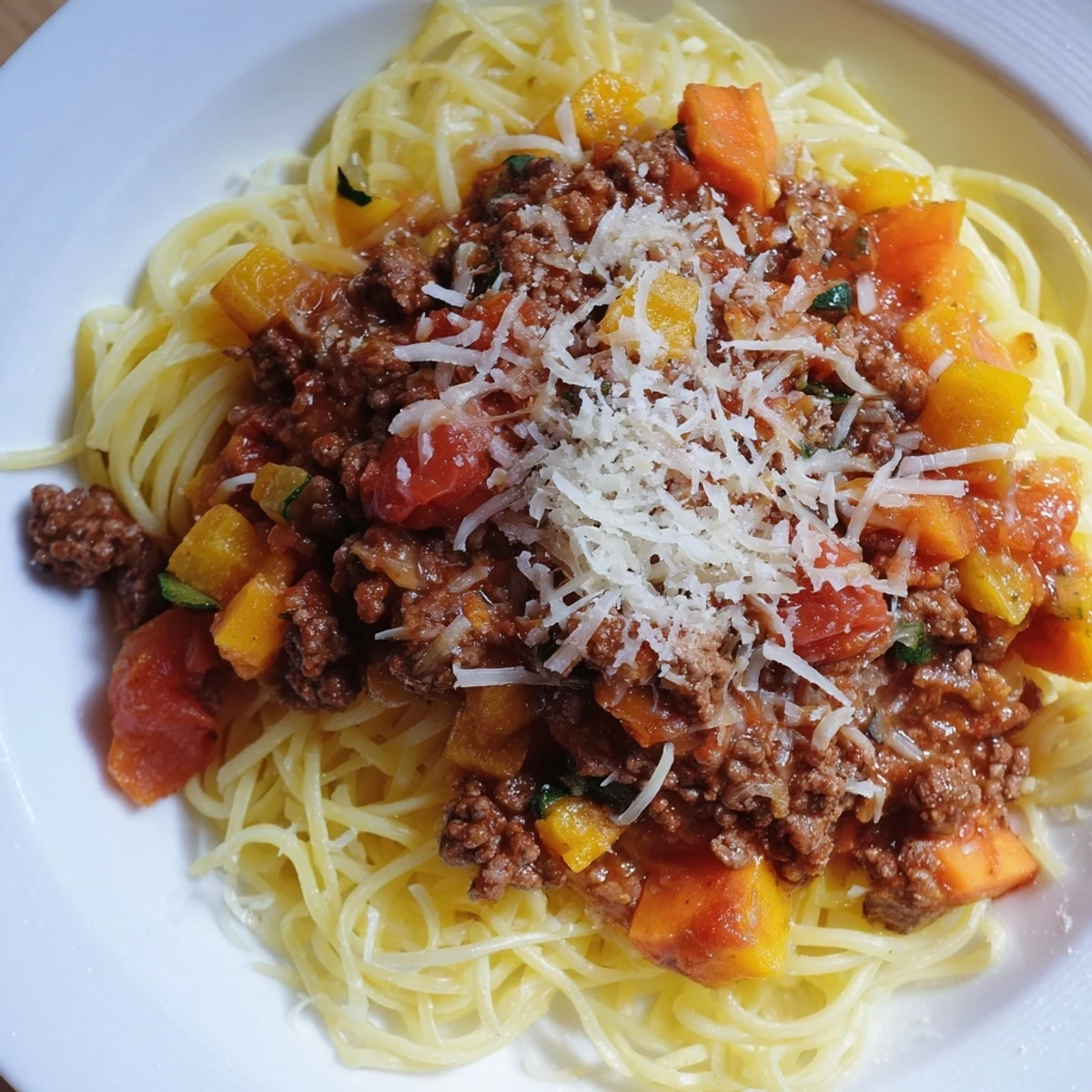
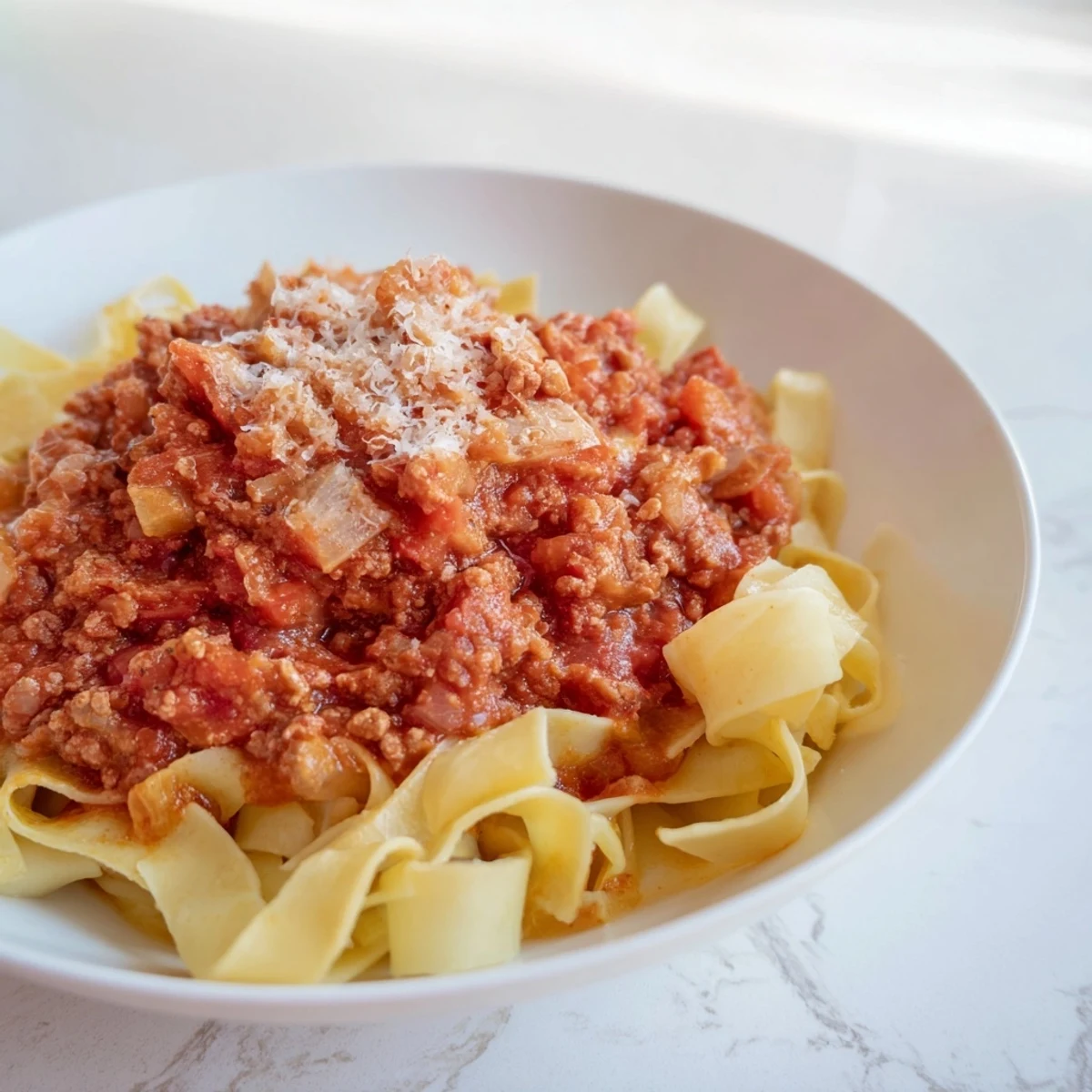
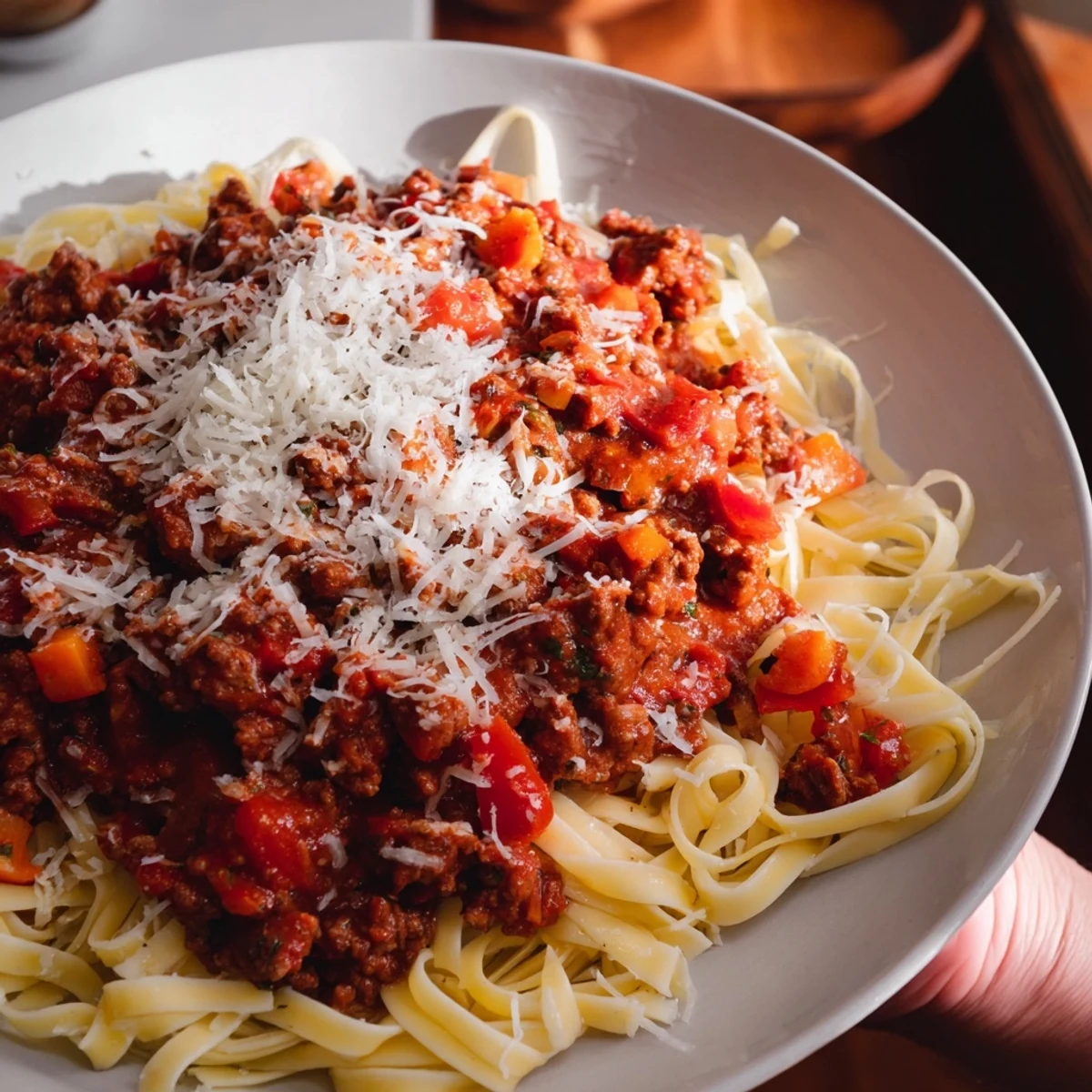
 This beef Bolognese sauce features ground beef slowly simmered with aromatic vegetables, tomatoes, and a splash of red wine to build deep flavors. Finished with a touch of milk and seasoned with oregano and nutmeg, it creates a creamy, rich sauce perfect for pairing with pasta or layering in lasagna. Making it ahead allows flavors to develop further, resulting in a comforting, robust meal.
I was standing at the stove on a rainy Sunday when the smell of browning beef and sweet carrots filled the kitchen, and I realized I had been stirring for nearly two hours without noticing. That day I learned that real Bolognese isn't rushed. It asks for your time, your patience, and rewards you with a sauce so deep and velvety it clings to every strand of pasta like it was meant to be there.
The first time I made this for friends, I panicked when the sauce looked thin after an hour, but I trusted the process and let it keep bubbling. By the time they arrived, the pot had thickened into something gorgeous, and we ended up sitting around the table long after the plates were empty, mopping up every last bit with crusty bread.
Ingredients
- Ground beef: An 80/20 blend gives you just enough fat to keep the sauce rich without becoming greasy, and browning it properly builds the foundation of flavor.
- Onion, carrots, celery: This holy trinity, called soffritto, sweetens as it cooks and adds a natural depth you can taste in every bite.
- Garlic: Just three cloves are enough to perfume the pot without overpowering the gentle balance of the sauce.
- Dry red wine: It deglazes the pot and adds a subtle acidity that cuts through the richness beautifully.
- Canned whole tomatoes: Crushing them by hand gives you control over texture and releases their bright, tangy juice into the sauce.
- Tomato paste: Two tablespoons deepen the color and concentrate the tomato flavor in a way fresh tomatoes alone cannot.
- Whole milk: Stirred in near the end, it mellows the acidity and gives the sauce a silky, luxurious finish.
- Olive oil: A simple base to start the soffritto and coat the vegetables as they soften.
- Oregano and bay leaf: These bring a quiet herbal warmth that feels unmistakably Italian.
- Salt, pepper, nutmeg: Season in layers, and that pinch of nutmeg is the secret many grandmothers swear by.
- Parmesan cheese: Freshly grated over the top, it adds a salty, nutty finish that ties everything together.
Instructions
- Soften the vegetables:
- Heat olive oil over medium heat and add the onion, carrot, and celery, letting them cook until they turn soft and translucent, releasing their natural sweetness into the pot. Stir in the garlic and let it bloom for just a minute until the kitchen smells incredible.
- Brown the beef:
- Add the ground beef and break it apart with a wooden spoon, cooking until every bit turns a rich brown and no pink remains. This step builds deep, savory flavor that will carry through the entire sauce.
- Deglaze with wine:
- Pour in the red wine and scrape up all those caramelized bits stuck to the bottom of the pot. Let it simmer for a few minutes until the sharpness of the alcohol cooks off and the liquid reduces slightly.
- Add tomatoes and seasonings:
- Stir in the tomato paste, crushed tomatoes, oregano, bay leaf, salt, pepper, and a pinch of nutmeg if you like. Mix everything together until the sauce looks unified and fragrant.
- Simmer low and slow:
- Turn the heat down to low, partially cover the pot, and let the sauce bubble gently for an hour and a half, stirring every so often. The slow simmer is where the magic happens, as flavors meld and deepen into something extraordinary.
- Finish with milk:
- Stir in the whole milk and let the sauce simmer uncovered for another 20 minutes. Taste and adjust the seasoning, then remove the bay leaf before serving.
 Save to Pinterest
 One winter evening, I doubled this recipe and froze half in jars, and weeks later when I was too tired to think about dinner, I pulled one out and remembered why I fell in love with cooking in the first place. It felt like a gift I had left for myself, warm and ready and tasting like home.
What to Serve It With
Tagliatelle or pappardelle are traditional and their wide ribbons catch the sauce perfectly, but I have also loved this with rigatoni or even stirred through creamy polenta. A simple green salad dressed with lemon and olive oil cuts through the richness, and a hunk of warm, crusty bread is non-negotiable for soaking up every last drop.
Make-Ahead and Storage
This sauce actually improves after a night in the fridge, as the flavors settle and deepen even further. Store it in an airtight container for up to four days, or freeze it in portions for up to three months, and reheat gently on the stove with a splash of water or stock if it seems too thick.
Common Questions and Tweaks
If you want a more traditional ragu, swap half the beef for ground pork, which adds a subtle sweetness and extra richness. Some cooks skip the milk entirely, but I urge you to try it at least once to see what a difference it makes. If you do not have red wine on hand, you can use beef stock, though you will lose a bit of that tangy complexity.
- Let the sauce cool completely before freezing to preserve texture and flavor.
- If serving over pasta, toss the noodles directly into the sauce for a minute so they absorb some of the flavor.
- Leftover Bolognese makes an incredible filling for lasagna, baked ziti, or even spooned over polenta.
 Save to Pinterest
 This is the kind of recipe that rewards you for showing up and staying present, and every time I make it, I am reminded that the best meals are the ones you cannot rush. Serve it with love, and it will never disappoint.
Questions & Answers About the Recipe
- → What type of beef is best for this sauce?
-
Ground beef with an 80/20 blend of lean to fat provides the ideal balance for a juicy and flavorful sauce.
- → Can I substitute red wine in the sauce?
-
Yes, red wine adds depth but can be replaced with beef broth or grape juice for a non-alcoholic option.
- → Why is milk added to the sauce?
-
Milk softens acidity and enriches the texture, giving the sauce a smoother, creamier finish.
- → How long should the sauce be simmered?
-
Simmering for about 1.5 to 2 hours allows flavors to meld and the beef to become tender and well-seasoned.
- → What pasta types pair best with this sauce?
-
Wide noodles like tagliatelle, pappardelle, or classic spaghetti hold the sauce well and balance the rich texture.
- → Can the sauce be prepared in advance?
-
Preparing the sauce a day ahead enhances the flavors. Simply reheat gently before serving.