
 Save to Pinterest
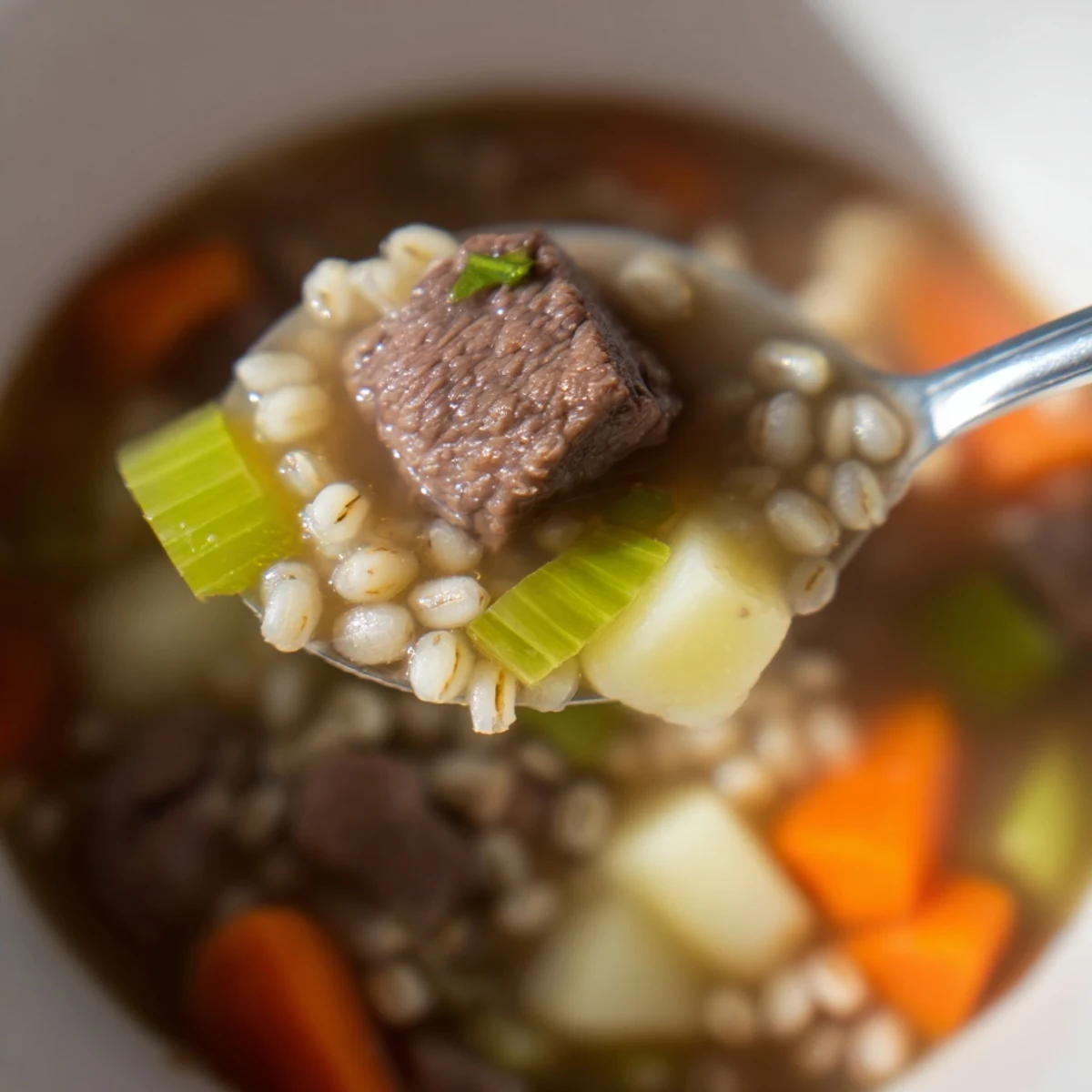
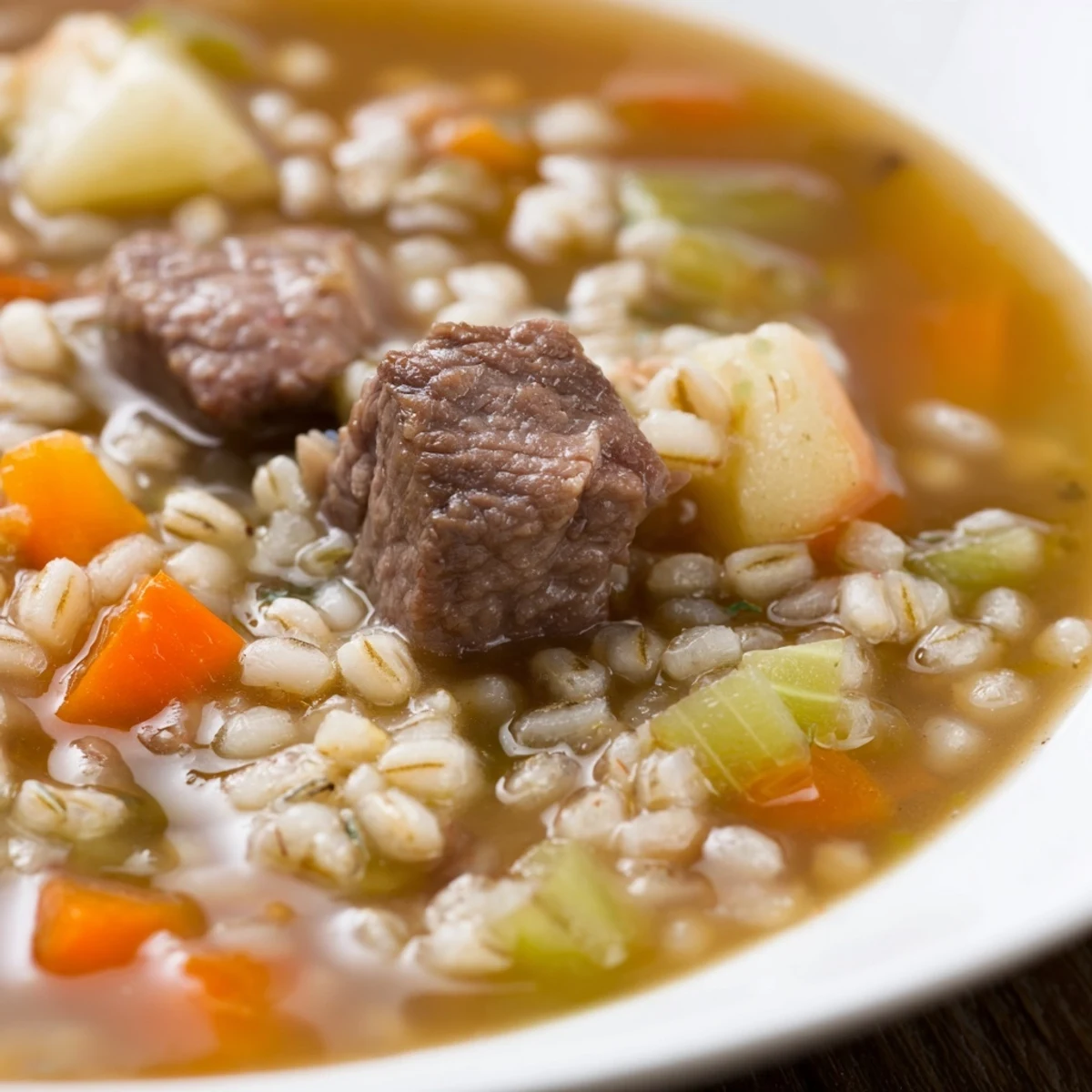
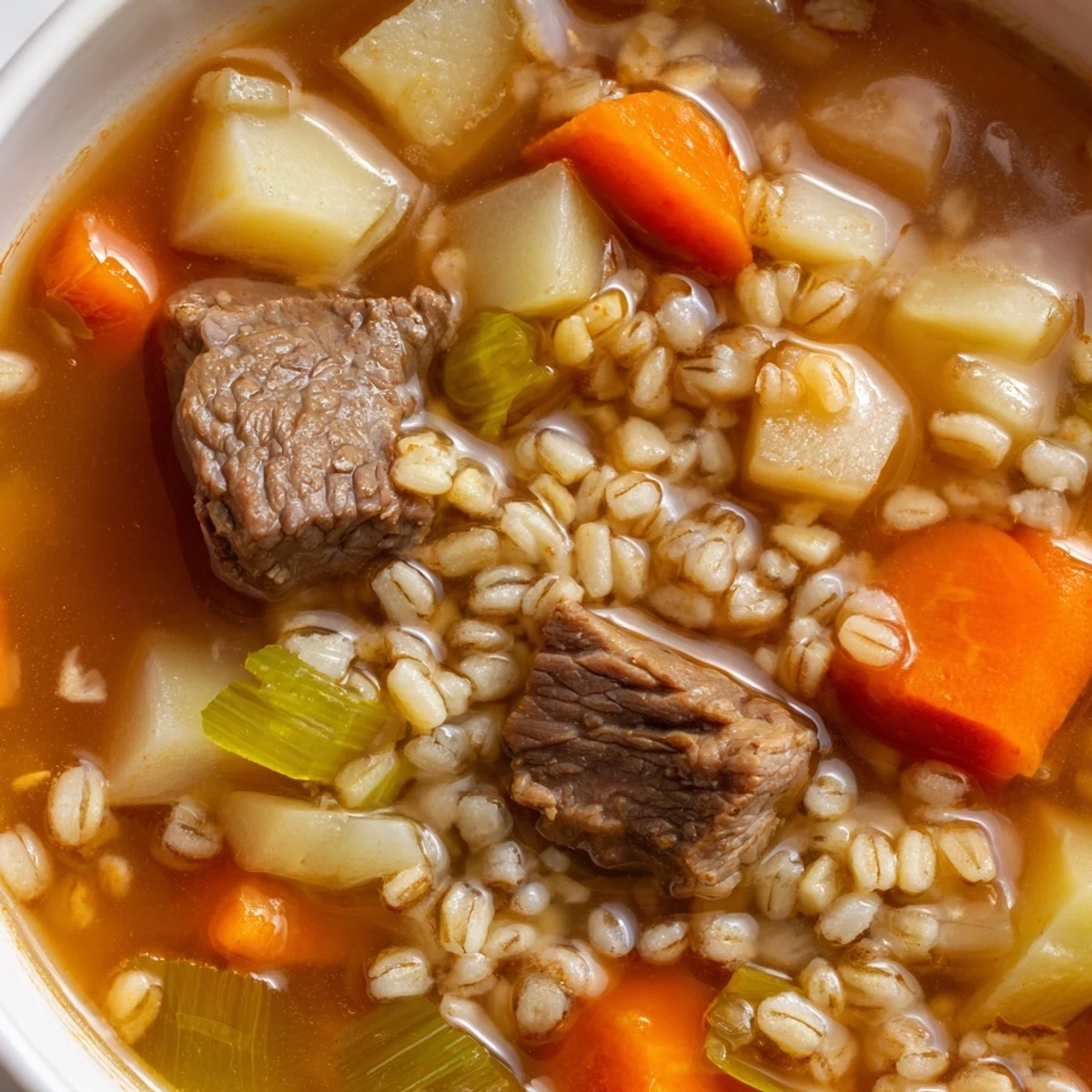
 This dish combines tender stewing beef with pearl barley and a medley of fresh vegetables including carrots, celery, potatoes, and tomatoes. Slowly simmered in beef broth and seasoned with thyme, oregano, and bay leaves, it develops deep, rich flavors. The hearty barley adds a satisfying texture and makes this a nourishing and filling bowl. Ideal for colder days, it can be enhanced with fresh herbs or a splash of red wine and is suitable for dairy-free diets.
There's something about beef and barley soup that stops you mid-winter and makes you remember why your grandmother kept a pot simmering on the back of her stove. Mine wasn't fancy—just beef, vegetables, and grains cooked low and slow until the whole kitchen smelled like home. The first time I made it on my own, I burned the beef because I was impatient, but somehow those charred edges deepened the whole thing. Now, it's the soup I reach for when the world feels too loud.
I made this for a friend who was going through a rough patch, and she ate three bowls in a row while telling me about her day. That's when I knew this recipe was doing something right—it wasn't just filling, it was comforting in a way that food sometimes can be. The beef had fallen apart, the vegetables were soft but still present, and the barley gave it weight and texture that made each spoonful feel substantial.
Ingredients
- Stewing beef (500 g): The tougher cuts break down beautifully with time, becoming tender and rich; don't skip the browning step because those browned bits become flavor.
- Pearl barley (100 g): Rinse it under cold water before adding so it cooks cleanly and doesn't make your broth cloudy.
- Onion, carrots, celery (1 of each, diced): This is your base, the holy trinity that makes every pot of soup smell like it knows what it's doing.
- Potatoes (2 medium): Cut them the same size as your beef so everything finishes at once; too big and they stay hard, too small and they disappear.
- Garlic (2 cloves): Mince it fine so it melts into the broth rather than sitting there in visible chunks.
- Tomato (1 large or 1 cup canned): Fresh tomato adds brightness, but canned works just as well and won't make you hunt around the grocery store in January.
- Beef broth (1.5 L) and water (500 ml): The broth carries all the flavor, so taste it before you buy—some store brands are saltier than others.
- Bay leaves, thyme, oregano: These three herbs are the quiet backbone of the whole thing; dried herbs work perfectly fine here.
- Olive oil (2 tbsp): Use it to get the pan hot enough to actually brown the beef, not just warm it through.
Instructions
- Brown your beef:
- Heat the olive oil until it shimmers, then add the beef cubes in a single layer. Let them sit for a minute before stirring so they actually brown instead of steam; this takes about 5 to 7 minutes total. You're not cooking them through, just searing them until they have a dark, flavorful crust.
- Sauté your vegetables:
- Add the onion, carrots, and celery to the same pot and cook for 4 to 5 minutes, stirring often, until they soften and start to smell sweet. The pot is still hot from the beef, so they'll cook faster than you might expect.
- Add the rest of the vegetables:
- Stir in the garlic, potatoes, and tomato, then cook for just 2 minutes so the garlic releases its smell but doesn't burn. This is when the kitchen starts to feel like something real is happening.
- Build your broth:
- Pour in the beef broth and water, then add the barley, bay leaves, thyme, oregano, salt, and pepper. Stir well so the barley doesn't clump, then bring everything to a rolling boil.
- Simmer low and slow:
- Reduce the heat to low, put the lid on, and let it bubble gently for 1 hour and 20 minutes, stirring every 15 or 20 minutes. The beef should be so tender it falls apart with a spoon, and the barley should be soft and creamy.
- Taste and finish:
- Remove the bay leaves, then taste the soup and adjust the salt and pepper until it feels right to you. Some pots need more seasoning than others depending on your broth, so trust your tongue.
 Save to Pinterest
 This is the kind of soup that tastes even better as leftovers, when the flavors have had time to get to know each other. It's the soup you heat up on a Tuesday night when cooking feels like too much effort, and suddenly you're eating something that tastes like you spent all day on it.
When to Add Fresh Herbs
If you want brightness at the end, chop fresh parsley or dill right before serving and stir it in or let people add their own. Fresh herbs won't survive the long simmer, so they're meant as a finish, a little moment of green that cuts through the richness. I usually keep a small bunch of parsley nearby while the soup simmers, just in case I change my mind about wanting it.
Variations Worth Trying
You can make this soup your own without losing what makes it work. Some people add a splash of red wine after browning the beef, letting it reduce and deepen everything; others use hulled barley instead of pearl (it has more fiber but needs extra cooking time). I once added a handful of spinach at the very end because I had it in the fridge, and it worked beautifully with the beef and herbs.
Storage and Make-Ahead Tips
This soup freezes wonderfully for up to three months, which means you can make it on a Sunday and have comfort in your freezer for weeks. Store it in airtight containers, leaving a little room at the top because it expands as it freezes. Thaw it in the refrigerator overnight or reheat it directly from frozen on the stovetop, stirring occasionally and adding a splash of water if needed.
- Freezes best before you add fresh herbs, so season those in when you reheat.
- The barley might absorb liquid as it sits, so taste and adjust seasoning after reheating.
- This is the kind of soup that becomes a fixture in your rotation once you realize how easy it really is.
 Save to Pinterest
 Every time I make this soup, I remember why it stuck with me—because it's honest, filling, and never pretends to be anything more than what it is. It's the kind of recipe that gets better the more you make it, not because you change much, but because you start to trust the process.