
 Save to Pinterest
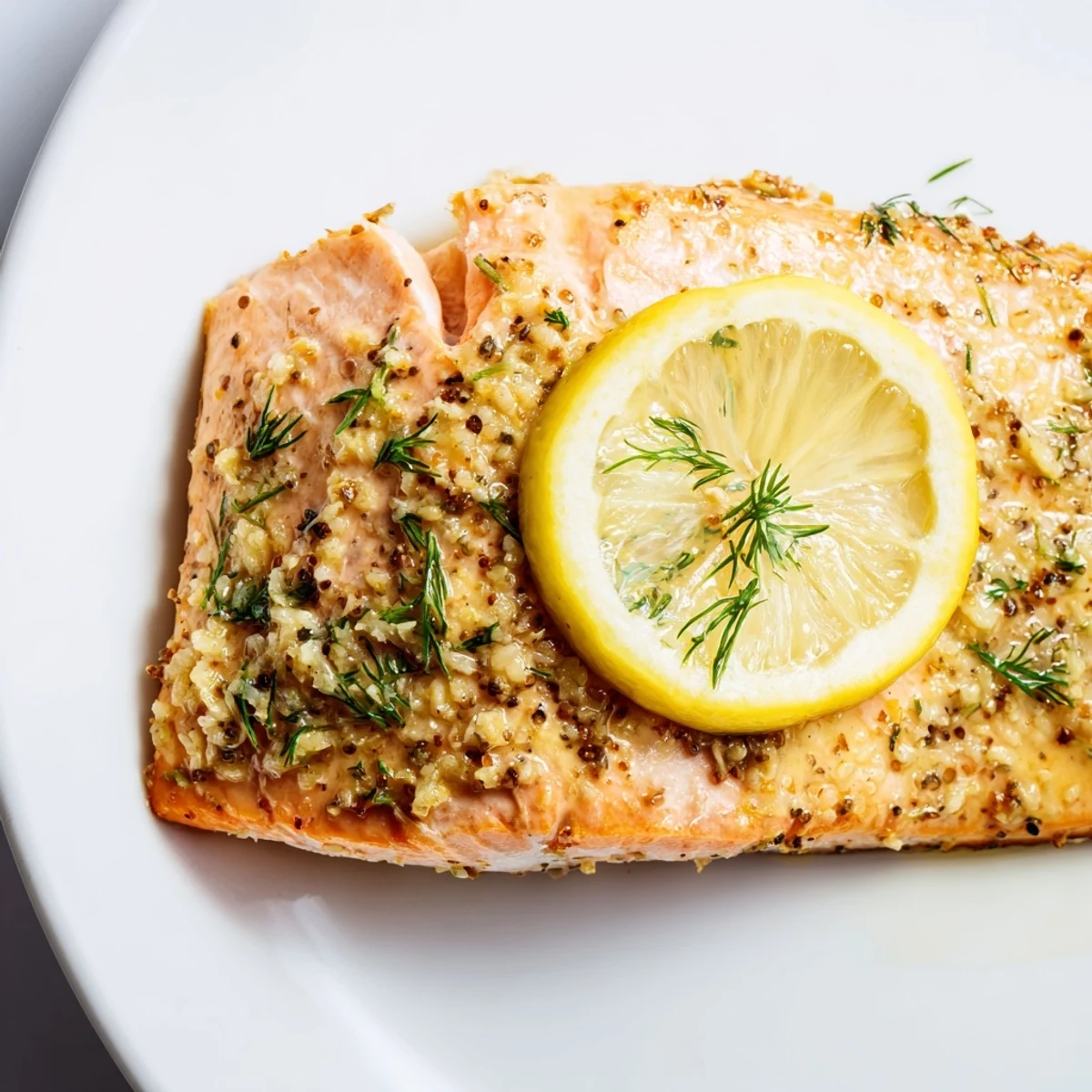
 This baked salmon fillet combines tender, flaky fish with a marinade of olive oil, lemon juice, Dijon mustard, garlic, thyme, and dill. The fish is baked at 200°C (400°F) until just opaque, topped with lemon slices and fresh herbs for brightness. It offers a quick and nutritious meal option, perfect for a healthy main dish that pairs well with roasted vegetables or salad. Preparation and cooking together take under 30 minutes, ideal for easy weeknight cooking.
My neighbor stopped by one evening with a bag of fresh salmon from the market, asking if I knew what to do with it. I'd been meaning to cook something simple but impressive, and salmon felt like the answer. Twenty minutes later, with nothing but lemon, herbs, and a hot oven, we had dinner that tasted like I'd spent hours in the kitchen. That's when I realized baked salmon could be the ultimate weeknight trick—elegant enough for guests, easy enough for any Tuesday.
I made this for my partner on a busy Thursday when we both wanted something nourishing but had zero energy for fussing. The kitchen smelled like herbs and lemon within minutes, and by the time we sat down, we were both calm again. Simple food can do that sometimes—it's not just dinner, it's a moment to breathe.
Ingredients
- Salmon fillets: Look for fillets that are roughly the same thickness so they cook evenly; skin-on keeps them moist, but skinless works too if that's what you prefer.
- Olive oil: Good quality matters here since it's doing real flavor work, not just moisture.
- Lemon juice: Fresh squeezed makes a noticeable difference in brightness that bottled juice can't quite match.
- Dijon mustard: A small amount adds subtle depth and helps bind the marinade onto the fish.
- Garlic: Mince it fine so it distributes evenly and doesn't burn in the oven.
- Fresh thyme and dill: If you only have dried herbs, use half the amount since they're more concentrated.
- Salt and pepper: Don't skip seasoning the marinade itself; it makes the whole dish sing.
- Lemon slices: These become slightly caramelized on top and add a subtle sweetness that surprises people.
Instructions
- Get your oven ready:
- Preheat to 200°C (400°F) and line your baking tray with parchment paper or a light grease. This prevents sticking and makes cleanup nearly effortless.
- Make the marinade:
- In a small bowl, whisk together oil, lemon juice, mustard, garlic, thyme, dill, salt, and pepper. The mixture should feel fragrant and well combined.
- Prepare the salmon:
- Place fillets skin-side down on the prepared tray, leaving a little space between them so heat circulates evenly. Brush the marinade generously over each one.
- Top and bake:
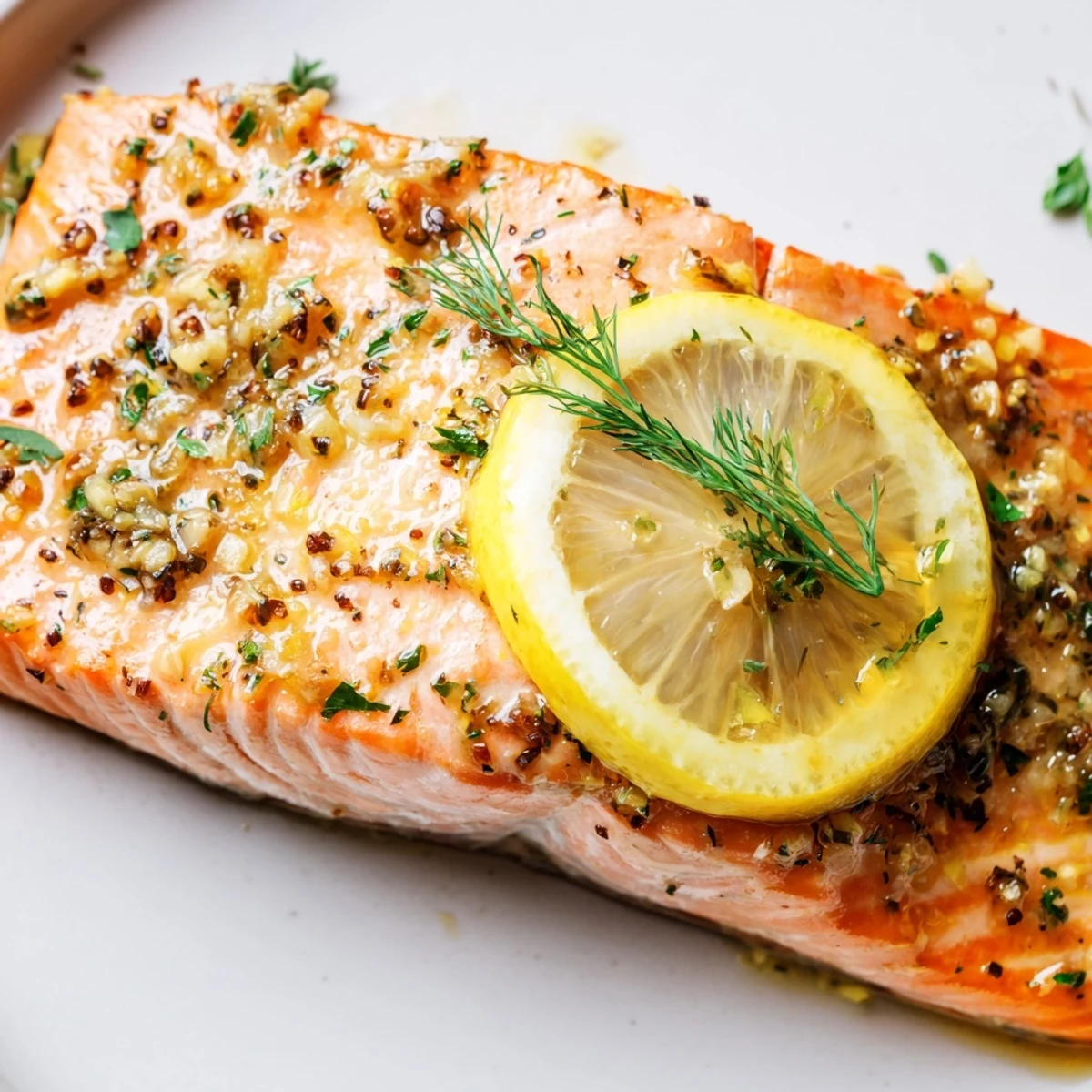
- Lay a lemon slice on each fillet and slide into the oven for 15–18 minutes. The salmon is done when it flakes easily with a fork and the thickest part looks just opaque, not translucent.
- Finish and serve:
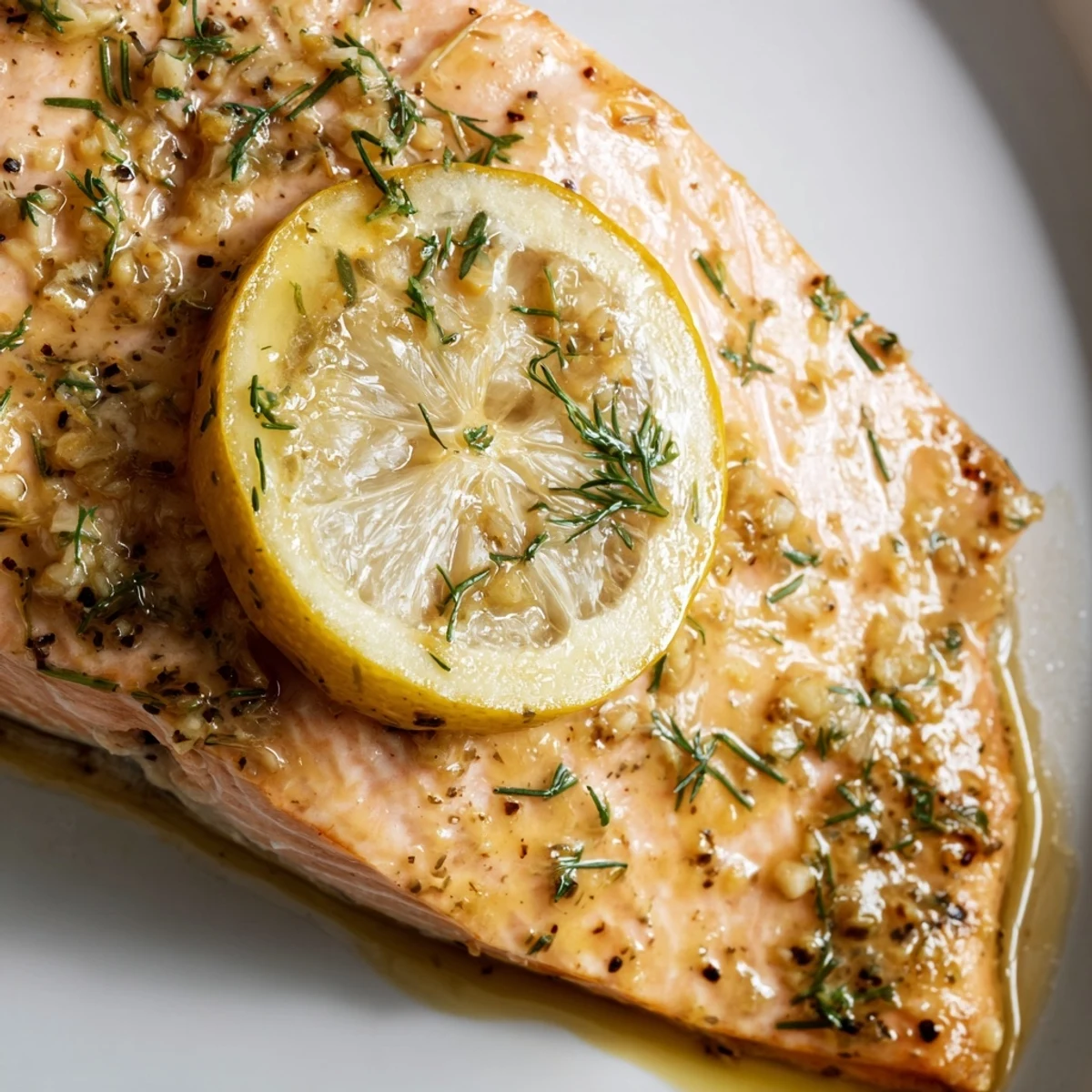
- Remove from the oven, sprinkle with fresh dill or parsley if you have it, and serve while still warm.
 Save to Pinterest
 One night a friend who claimed to dislike fish came for dinner and ate almost an entire fillet without realizing what it was. That's when I understood this recipe isn't really about salmon—it's about proving that good food, cooked simply, can change someone's mind.
Why This Works So Well
The combination of lemon, mustard, and herbs creates a protective layer that keeps the salmon moist while the oven's dry heat cooks it gently. Olive oil carries all those flavors right into the fish, and the Dijon mustard acts as an invisible binder that makes everything stick around instead of dripping off onto the pan. It's not complicated chemistry, but it's effective.
What to Serve Alongside
Roasted vegetables are the natural choice—asparagus, broccoli, or green beans all turn slightly caramelized in the same oven temperature. Steamed rice or new potatoes soak up the subtle flavors without fighting for attention. A fresh salad with a light vinaigrette feels fresh and balancing, especially if you want something cool against the warm fish.
The Small Details That Matter
Parchment paper isn't just about ease; it actually helps the salmon cook more evenly by creating gentle, indirect heat around the sides. The lemon slices do more than look pretty—they soften slightly and release a bit of juice as they warm, adding another layer of flavor. Don't rush to remove the fish from the oven; those final two minutes make the difference between good and memorable.
- If your mustard is extra strong, use slightly less so it doesn't overpower the delicate salmon flavor.
- Keep the herb ratio flexible; use what you have fresh or dried, and trust your palate over exact measurements.
- Leftover cooked salmon keeps for three days refrigerated and makes excellent additions to salads or grain bowls the next day.
 Save to Pinterest
 This recipe became a favorite because it respects your time while never sacrificing how good the food tastes. Cook it once, and it'll become part of your regular rotation.
Questions & Answers About the Recipe
- → How can I tell when the salmon is fully cooked?
-
Salmon is done when it flakes easily with a fork and appears opaque in the center. Baking 15-18 minutes at 200°C (400°F) usually achieves this.
- → Can I marinate the salmon longer for more flavor?
-
Yes, marinating the salmon up to 30 minutes before baking enhances its taste without compromising texture.
- → Is it okay to bake the salmon with skin on?
-
Absolutely. Baking with skin on helps retain moisture and adds flavor; just place the fillet skin-side down on the tray.
- → What sides pair well with baked salmon?
-
Roasted vegetables, steamed rice, or fresh salads complement the flavors and round out the meal nicely.
- → Can Dijon mustard be substituted if unavailable?
-
Yes, you can replace Dijon mustard with whole grain mustard or a mild mustard to maintain the tangy flavor of the marinade.
- → How to make this dairy-free?
-
This is naturally dairy-free, but ensure your mustard does not contain dairy ingredients for a safe option.